About
A research lab, built where the need is.
SafeSurg Robotics was founded in May 2026 and works between Ile-Ife and Lagos. The lab builds medical robotics for clinical settings that most medical robotics is not designed for.
Mission
SafeSurg Robotics exists to develop affordable, clinically credible medical robotics technologies that restore mobility, independence and dignity to people whose needs are too often left unmet, particularly persons with disabilities and underserved communities across Nigeria and Africa.
Vision
To grow into one of Africa's leading medical robotics companies, designing, building and validating clinical grade technologies for rehabilitation, mobility, surgical assistance and diagnostics locally, meeting international standards of safety and trust while remaining genuinely accessible to the people who need them most.
Why this work
Most surgical robots give the surgeon no sense of touch. Most rehabilitation exoskeletons assist one joint and assume a generic patient. Most diagnostic models assume compute and labelled data that a Nigerian clinic does not have. These are not oversights. They are the predictable result of systems designed for somewhere else.
Stroke is a leading cause of long-term physical disability, and the rehabilitation need across Nigerian and African healthcare settings is both widespread and significantly underserved. The lab works on the parts that get cut first when cost is the constraint: haptic feedback, personalised assistance, models small enough to run on the hardware that is actually available.
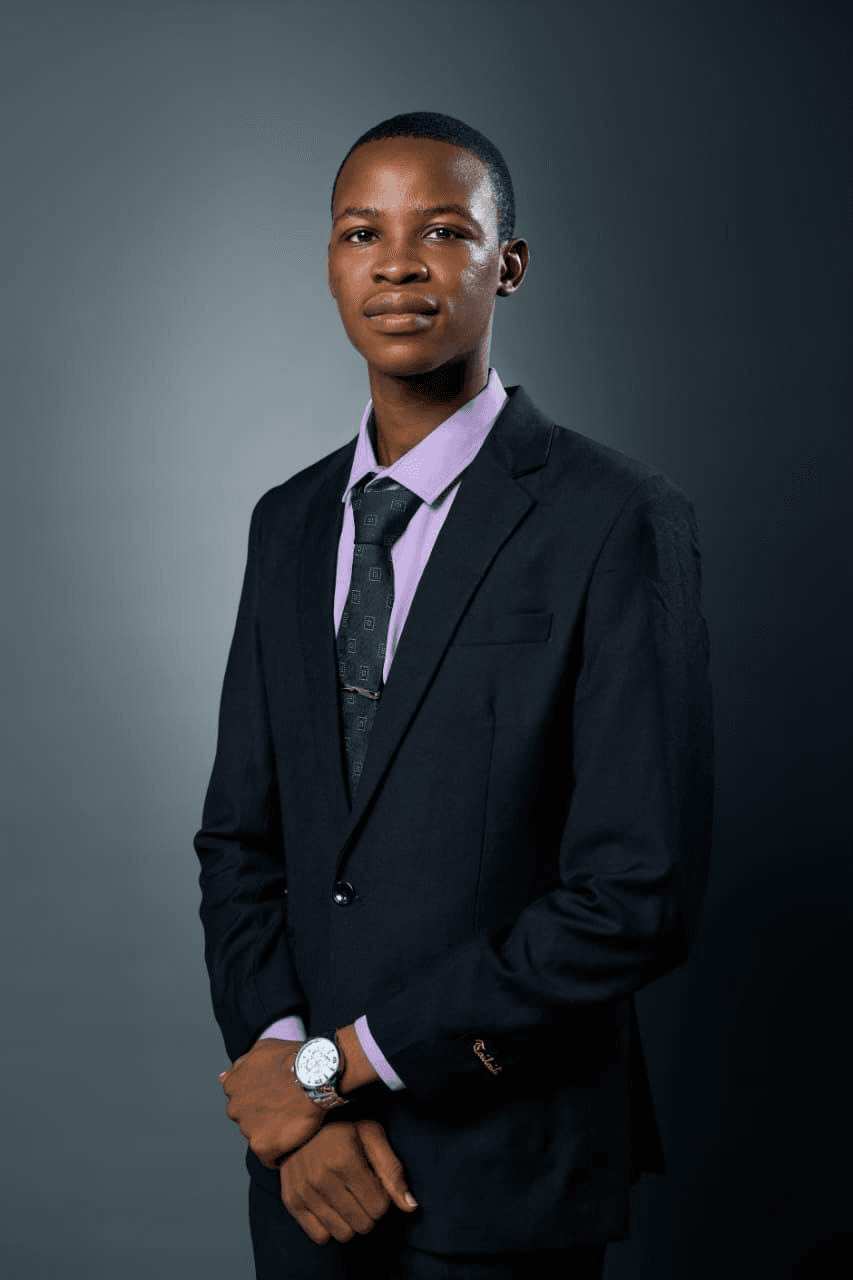
Founder
Timothy Adejare Ayelagbe
Obafemi Awolowo University, Electronic and Electrical Engineering
Leads research, engineering and partnerships. Specialises in control and instrumentation engineering, with early research experience at Moek Robotics on robotics modelling and control for safe force interaction. Chairs the IEEE Robotics and Automation Society student branch chapter at OAU.
- 2026Medtronic Spark ScholarshipTop 100 globally, one of seven African recipients.
- 2026IEEE AESS Undergraduate Engineering ScholarshipOne of three recipients globally.
- 2026NHEF Scholar, 2026 CohortNigeria Higher Education Foundation, sponsored by the MacArthur Foundation. One of ten selected nationwide from over four hundred applicants.
- 2026Selected Startup, IEEE IROS 2026 Innovation StagePittsburgh.
Team
4 people. The research is based at Obafemi Awolowo University.
Timothy Adejare Ayelagbe
Founder
Obafemi Awolowo University, Electronic and Electrical Engineering
Leads research, engineering and partnerships. Works on control and instrumentation, with a secondary specialisation in electronic materials and devices. Chairs the IEEE Robotics and Automation Society student branch chapter at OAU.
5 papers
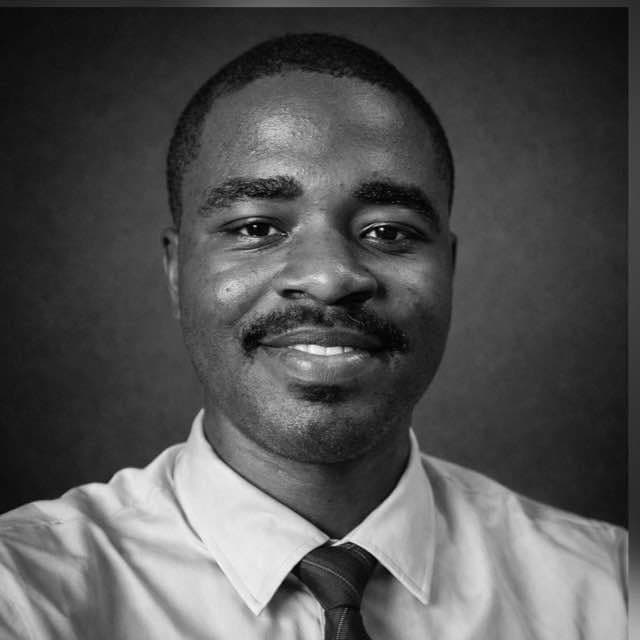
Osunyemi Promise Oluwaseyi
Researcher
Obafemi Awolowo University, Electronic and Electrical Engineering
Leads embedded systems and automation engineering alongside the founder. Works across surgical robotics, industrial automation and control instrumentation, with a focus on robotic platforms that are sustainable to run and deployable in resource constrained settings.
3 papers
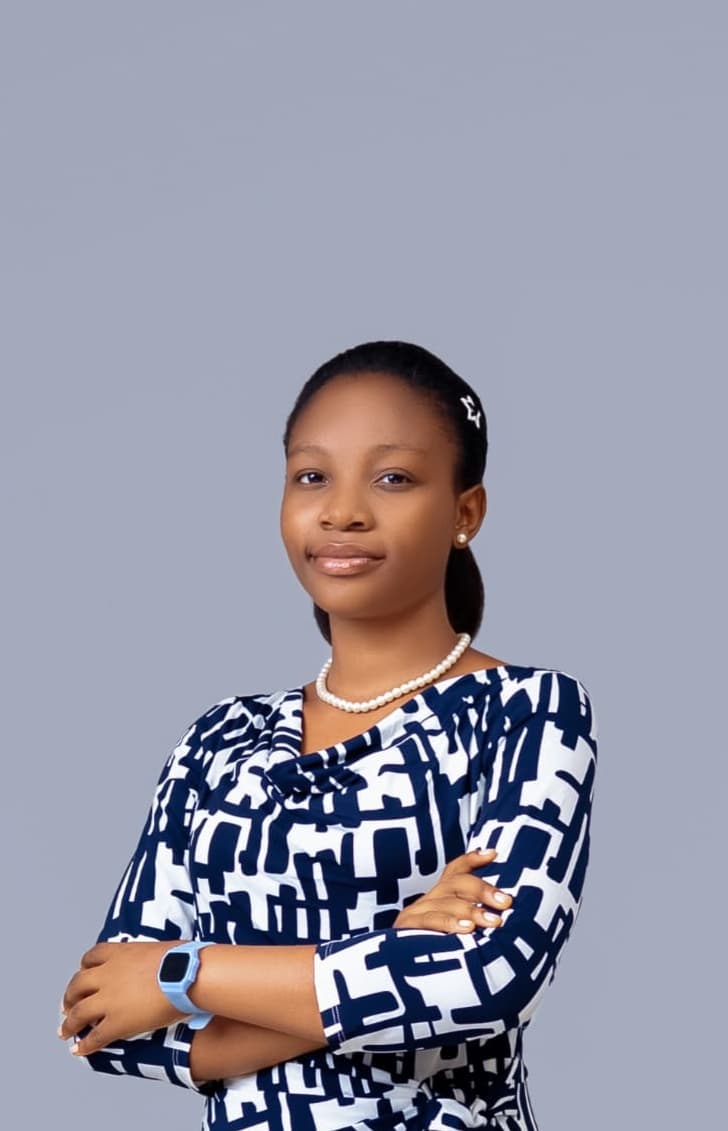
Glory Akanbi
Researcher
Obafemi Awolowo University, Electronic and Electrical Engineering
Third-year Electronic and Electrical Engineering student working on drone technology, aerial robotics and autonomous systems. Contributes to the lab's force perception work in robot-assisted surgery.
3 papers
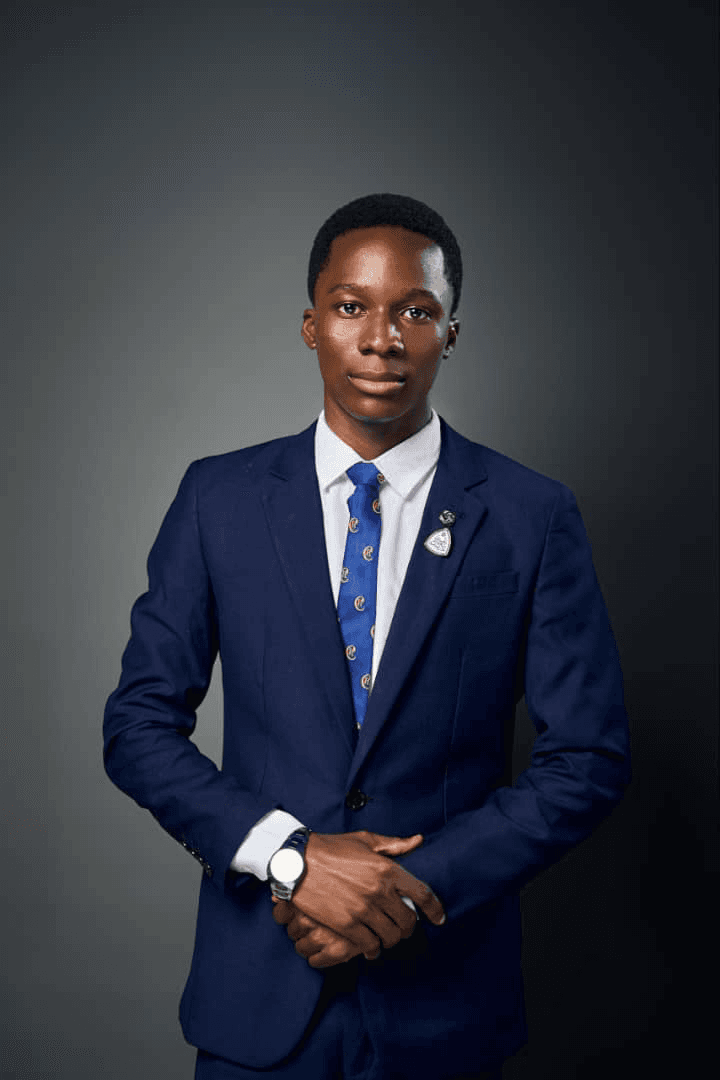
Mathias Bala
Software Engineer
Ahmadu Bello University, Zaria, Law
Final year law student and software engineer with half a decade building and shipping software. Leads the engineering side of the lab's software, including this platform.
Beyond the lab
Alongside the technical work, the team engages directly with the communities it aims to serve, visiting and assisting persons with disabilities and visiting orphanage homes to offer support. The lab treats this community facing work as inseparable from its research mission rather than a side activity.
See the outreach